Viral Infections and Heart Disease: What You Need to Know
Viral Infections and Heart Disease: What You Need to Know
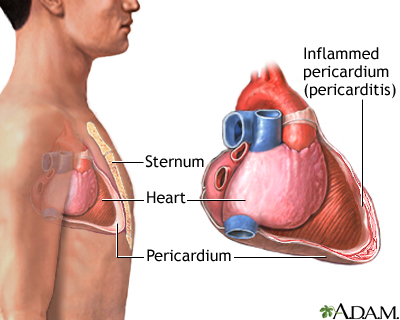
Viral infections can have a significant impact on cardiovascular health, leading to increased risks of heart disease, heart failure, and related complications. In this blog, we will explore the relationship between viral infections and heart disease, discuss the most common risk factors, and provide tips on how to protect your heart during viral infections.
How Viral Infections Affect Heart Health

Viral infections can cause inflammation and damage to the heart and blood vessels, leading to increased risks of heart disease, heart failure, and related complications. Some of the most common viral infections that can affect heart health include:
- Influenza: The flu can cause inflammation of the heart and blood vessels, leading to increased risks of heart disease and related complications.
- COVID-19: COVID-19 primarily affects the respiratory system, but recent studies have shown that it can also affect the cardiovascular system, leading to increased risks of heart disease, heart failure, and related complications.
- Human Immunodeficiency Virus (HIV): HIV can cause inflammation of the heart and blood vessels, leading to increased risks of heart disease and related complications.
- Cytomegalovirus (CMV): CMV is a common virus that can cause inflammation of the heart and blood vessels, leading to increased risks of heart disease and related complications.
- Hepatitis C: Hepatitis C can cause inflammation of the liver, leading to increased risks of heart disease and related complications.
Viral Infections and Cardiovascular Risk Factors
Several risk factors have been identified that can increase the risk of cardiovascular complications in patients with viral infections. These include:
- Age: Older adults are at a higher risk of developing severe symptoms and complications from viral infections, including those related to the cardiovascular system.
- Pre-existing cardiovascular conditions: Patients with pre-existing cardiovascular conditions such as high blood pressure or diabetes are more likely to experience severe symptoms and complications from viral infections, including those related to the cardiovascular system.
- Smoking: Smoking can damage the cardiovascular system and increase the risk of heart disease, heart failure, and related complications, which can increase the risk of severe symptoms and complications from viral infections.
- Obesity: Obesity is a significant risk factor for heart disease and related complications, and it can also increase the risk of severe symptoms and complications from viral infections.
How to Protect Your Heart During Viral Infections
If you have pre-existing cardiovascular conditions or risk factors, it is essential to take extra precautions to protect your heart during viral infections. Here are some tips to help you stay healthy:
- Follow recommended prevention guidelines: The best way to protect your heart during viral infections is to follow the recommended prevention guidelines, including wearing a mask, practicing social distancing, washing your hands regularly, and avoiding large gatherings.
- Manage your pre-existing conditions: If you have pre-existing cardiovascular conditions such as high blood pressure or diabetes, it is essential to manage them carefully to reduce the risk of complications from viral infections.
- Stay physically active: Regular exercise can help maintain cardiovascular health and reduce the risk of heart disease and related complications. Even if you cannot go to the gym or outside, try to find ways to exercise at home.
- Eat a healthy diet: A healthy diet can help maintain cardiovascular health and reduce the risk of heart disease and related complications. Try to eat a variety of fruits, vegetables, whole grains, lean protein, and healthy fats.
- Manage stress: Stress can have a negative impact on cardiovascular health, so it is essential to find ways to manage stress during viral infections. This can include activities such as meditation, yoga, or spending time with loved ones (while following social distancing guidelines).
Conclusion
Viral infections can have a significant impact on cardiovascular health,
Comments
Post a Comment